Ingredients
Method
Step-by-Step Instructions:
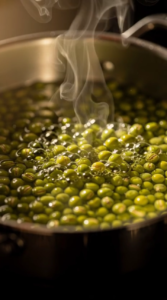
- In a medium pot, combine the rinsed green mung beans and 4 cups of water. Bring to a boil, then reduce heat to medium-low, cover, and simmer for 30 to 35 minutes until the beans are soft, tender, and burst open. Set aside with the cooking liquid.
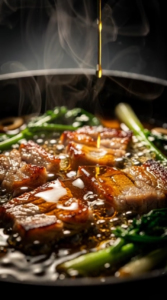
- In a separate large stockpot or Dutch oven, heat the cooking oil over medium heat. Add the pork belly strips and render for 5 to 6 minutes until lightly browned and crispy.

- Add the minced garlic and diced onions to the pan with the pork. Sauté for 2 to 3 minutes until fragrant and softened.

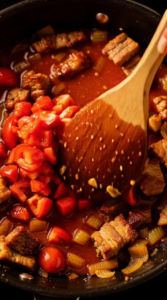
Add the chopped tomatoes and cook for another 3 minutes, mashing them slightly with the back of your spoon until soft and juicy.
- Add the chopped tomatoes and cook for another 3 minutes, mashing them slightly with the back of your spoon until soft and juicy.
- Pour in the fish sauce (patis) and black pepper, stirring for 1 minute to coat the aromatics.
- Transfer the cooked mung beans along with their liquid into the pot. Add the remaining 2 cups of broth (or water). Stir well and bring the mixture to a simmer for 8 to 10 minutes, allowing the flavors to meld into a thick broth.

- Stir in half of the crushed chicharon and cook for 2 minutes to let it soften and enrich the soup base.
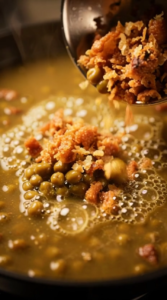
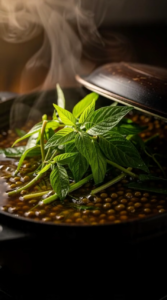
- Turn off the heat, add the kangkong leaves (or ampalaya leaves) on top, and cover the pot for 2 minutes to let the residual heat wilt the greens gently.
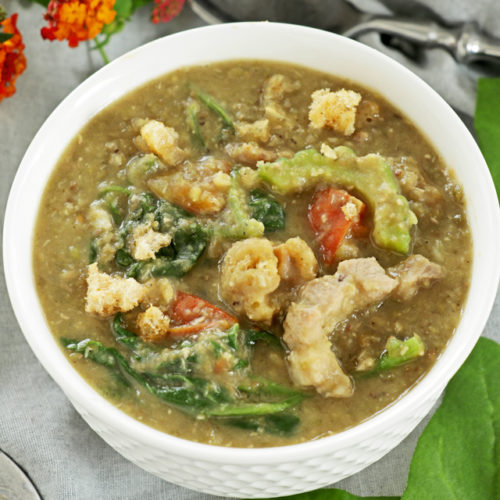
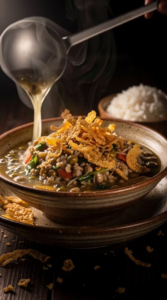
- Ladle into bowls, top with extra crispy crushed chicharon, and serve piping hot with steamed white rice!
Notes
🌿 Health & Nutritional Benefits of Ginisang Munggo
Adding Ginisang Munggo to your regular weekly menu offers outstanding health and wellness advantages:- Excellent Source of Plant-Based Protein & Fiber: Mung beans are packed with complex carbohydrates, plant protein, and soluble fiber, promoting smooth digestive transit, feeding healthy gut bacteria, and keeping you full longer.
- Supports Heart Health & Cholesterol Management: Rich in antioxidants, magnesium, and potassium, mung beans help regulate blood pressure and aid in reducing LDL (bad) cholesterol levels.
- Low Glycemic Index for Blood Sugar Control: High fiber and slow-digesting complex carbs prevent post-meal sugar spikes, making this an excellent choice for blood sugar management.
- Immune & Antioxidant Boost from Leafy Greens: Adding greens like ampalaya leaves or kangkong provides essential Vitamin A, Vitamin C, iron, and folate to bolster immune health and cellular repair.
Key Ingredients & Cooking Tips
- Soaking the Beans (Speed Up Cooking): Soaking your dried mung beans in warm water for 30 to 60 minutes before boiling reduces cooking time significantly and yields a smoother, creamier texture.
- Choice of Greens: Kangkong (water spinach) gives a fresh, crisp texture, while dahon ng ampalaya (bitter melon leaves) adds a traditional light bitterness that balances the rich savory broth.
- Smoked Fish Variation (Tinapa): Flaking smoked fish (tinapa) into the sauté base instead of pork adds an authentic, smoky coastal flavor profile.
- Controlling Consistency: If you prefer a soupier munggo, add an extra 1 to 2 cups of broth; for a thicker stew, let it simmer uncovered for a few extra minutes to reduce.
📊 Complete Nutritional Profile
Here is the breakdown per serving of Ginisang Munggo (with pork & greens):- Calories: 240 kcal
- Total Fat: 9 g
- Saturated Fat: 3 g
- Sodium: 580 mg
- Total Carbohydrates: 26 g
- Dietary Fiber: 7 g
- Sugars: 3 g
- Protein: 14 g
- Potassium: 490 mg
- Vitamin C: 18 mg
- Iron: 3.2 mg
🛠️ Key Kitchen Equipment List
- Medium Cooking Pot: For boiling the mung beans until soft and tender.
- Large Stockpot or Dutch Oven: Provides ample space for sautéing aromatics, meat, and combining the soup base.
- Chef's Knife & Cutting Board: For dicing onions, mashing tomatoes, and chopping pork and greens.
- Ladle: Perfect for serving generous bowls of thick stew over rice.