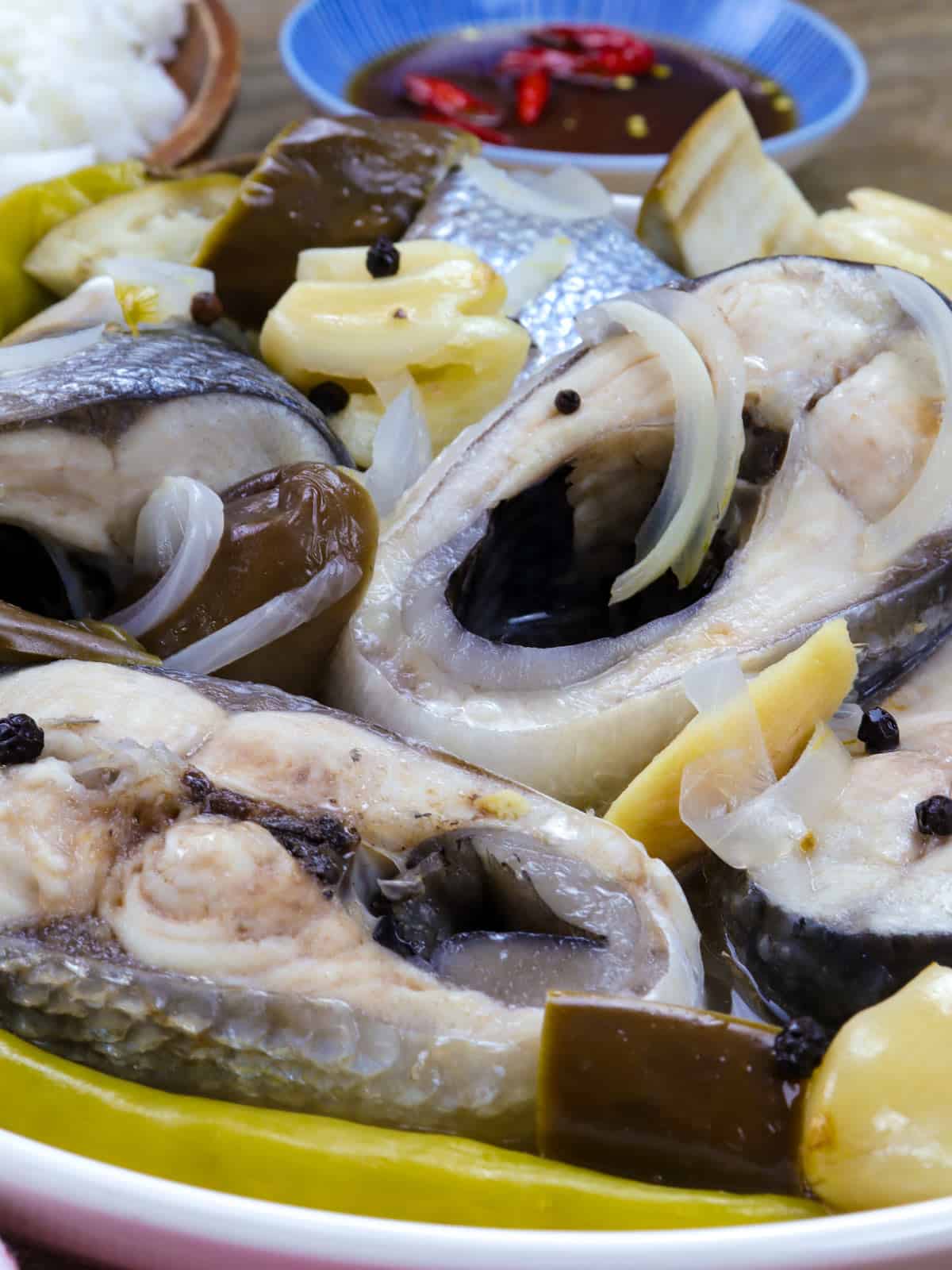
Ingredients
Equipment
Method
Step-by-Step Instructions:
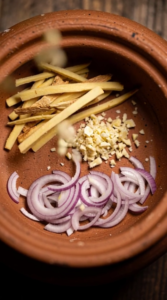
- Arrange a layer of ginger strips, crushed garlic, and sliced onions at the bottom of a wide pan or clay pot (palayok).
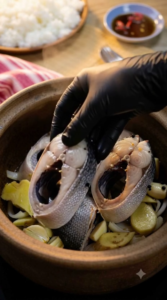
- Place the milkfish steaks side-by-side on top of the bed of aromatics.
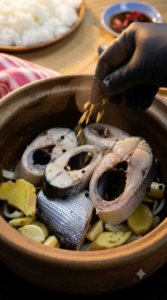
- Scatter the remaining ginger, garlic, onions, whole black peppercorns, and long green chilies over the fish.
- Pour in the cane vinegar, water (or rice washing), and fish sauce (patis). Add cooking oil if desired.
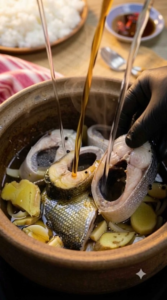
- Cover the pan and bring to a boil over medium heat. Crucial step: Allow the vinegar mixture to boil uncovered for 3 to 5 minutes without stirring to let the raw vinegar bite cook off properly.
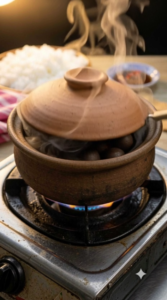
- Lower the heat to medium-low, cover, and simmer gently for 8 to 10 minutes.
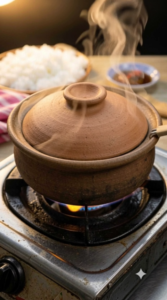
- Arrange the sliced eggplant (and bitter melon, if using) on top of the fish. Push them gently down into the liquid without stirring the fish so the steaks remain intact.
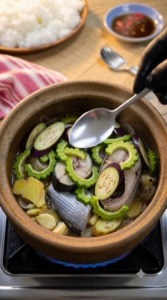
- Cover and simmer for another 5 to 7 minutes until the vegetables are tender yet retain a slight bite.
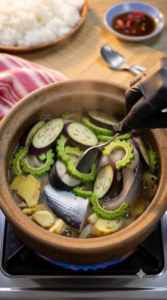
- Taste the broth and adjust with a pinch of salt or a splash of water if needed. Serve warm with plenty of hot white rice!
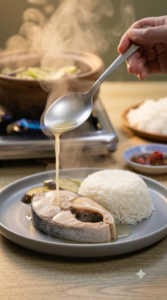
Notes
🌿 Health & Nutritional Benefits of Paksiw na Bangus
Incorporating Paksiw na Bangus into your weekly diet provides dense nutrients and clean fuel without heavy fats:- Abundant Omega-3 Fatty Acids: Milkfish (especially the belly portion) is rich in EPA and DHA omega-3 fatty acids, which promote heart health, lower bad cholesterol, and support brain function.
- Lean, High-Quality Protein: Delivers complete protein to aid tissue repair and muscle maintenance while remaining low in saturated fat.
- Anti-Inflammatory Digestive Support (Ginger & Garlic): Heavy use of fresh ginger and garlic calms the stomach, aids digestion, and provides natural antibacterial properties.
- Metabolic & Blood Sugar Support (Vinegar & Vegetables): Acetic acid in vinegar helps moderate blood sugar spikes after meals, while eggplants and bitter melon provide valuable fiber and antioxidants.
Key Ingredients & Cooking Tips
- Fresh Fish Selection: Look for milkfish with bright red gills, clear eyes, and firm flesh. Milkfish belly (tiyan ng bangus) is the prized part of this dish due to its rich, soft texture.
- Handling the Vinegar: Never stir the pot right after pouring in the vinegar. Allowing it to boil uncovered for a few minutes removes the harsh, sharp acid taste and creates a smooth, pleasant sour broth.
- Gentle Simmering: Fish cooks quickly and can break apart if boiled vigorously. Keep the heat on a low simmer once boiling starts to preserve the delicate fish steaks.
- Clay Pot Flavor Advantage: Cooking Paksiw in a traditional clay pot (palayok) retains subtle moisture and enhances the classic rustic flavor of the sour broth.
📊 Complete Nutritional Profile
Here is the breakdown per serving of Paksiw na Bangus:- Calories: 210 kcal
- Total Fat: 9 g
- Saturated Fat: 2.2 g
- Sodium: 540 mg
- Total Carbohydrates: 6 g
- Dietary Fiber: 2 g
- Sugars: 2.5 g
- Protein: 25 g
- Potassium: 480 mg
- Vitamin C: 12% DV