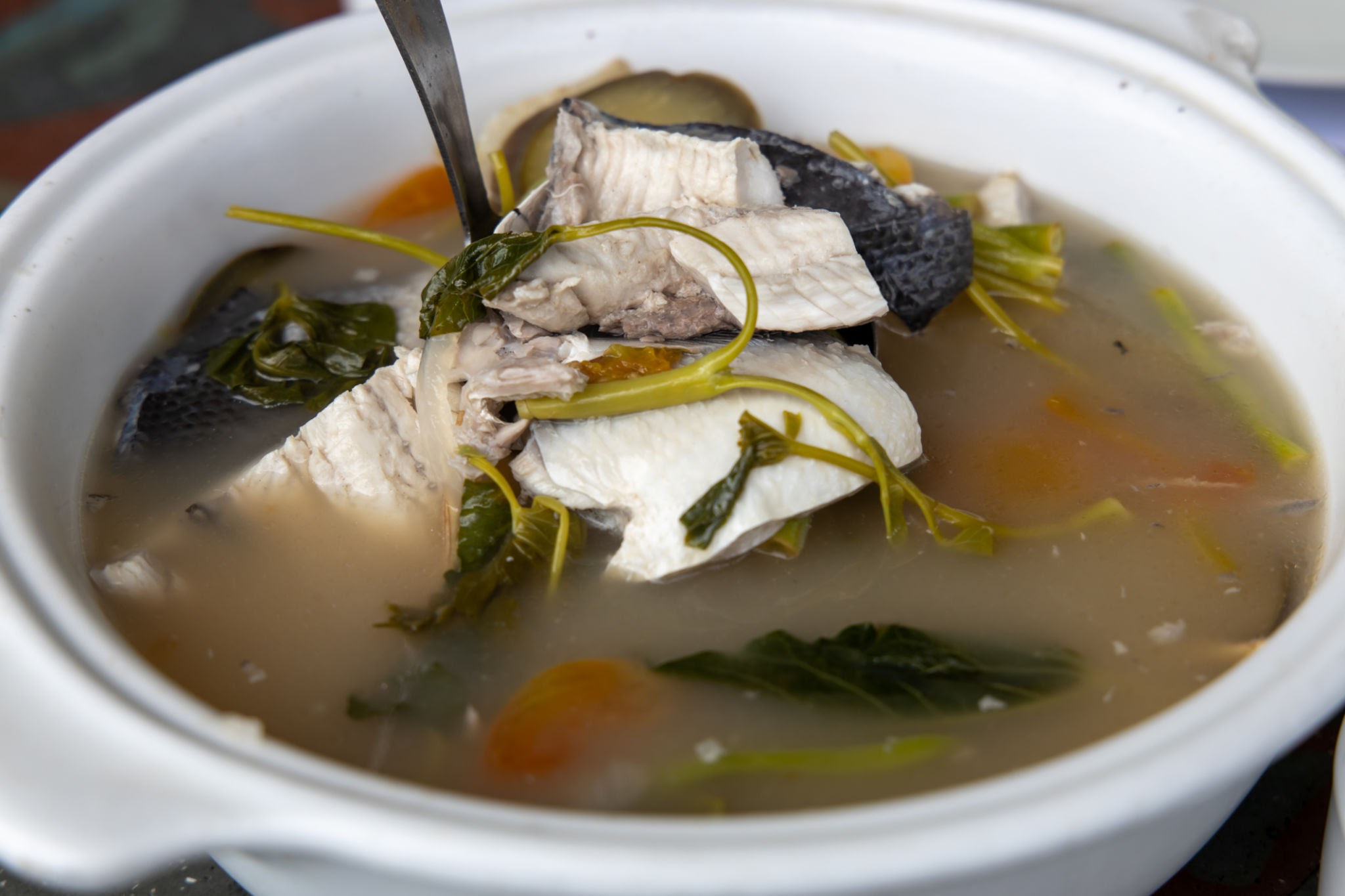
Ingredients
Equipment
Method
Step-by-Step Instructions:
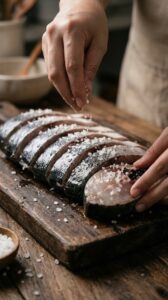
- Prep the Milkfish: Rub the sliced bangus steaks with 1 teaspoon of rock salt to remove surface slime and let them sit for 5 minutes, then rinse gently with cold water. Pat dry with paper towels and set aside.
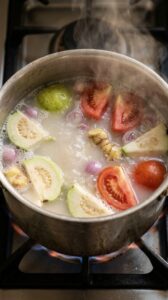
- Boil the Guava Base: In a stockpot, combine the rice washing (or water), peeled quartered guavas, sliced onion, tomatoes, and bruised ginger. Bring to a boil over medium-high heat.
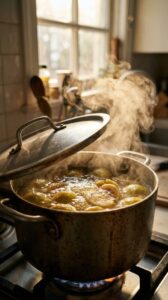
- Simmer Until Tender: Lower the heat to medium-low, cover, and let the guavas simmer for 15 to 20 minutes until they turn soft and translucent.
- Mash and Strain the Pulp: Using a slotted spoon, lift the softened guava quarters out of the pot and place them directly into a fine mesh strainer held over the pot (or in a shallow bowl with a ladleful of broth). Mash the fruit thoroughly using the back of a ladle or potato masher to squeeze the fragrant pulp back into the soup. Discard the leftover hard seeds.
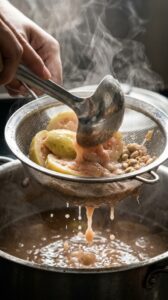
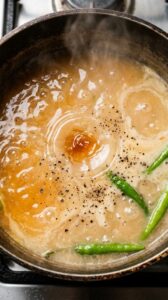
- Season the Broth: Stir the smooth guava puree into the broth. Add the fish sauce (patis), freshly ground black pepper, and long green chili peppers (siling haba). Let the broth simmer gently for 2 to 3 minutes to blend the sweet, tart, and savory notes.
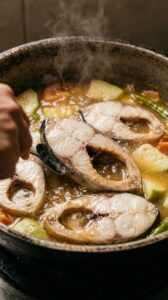
- Poach the Fish: Gently slide the milkfish steaks into the simmering broth in a single layer. Reduce the heat to low, cover the pot, and let the fish poach for 6 to 8 minutes without stirring, until the flesh turns opaque and the belly fat turns soft and gelatinous.
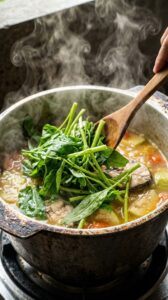
- Add the Greens: Scatter the kangkong stalks and leaves across the top. Press them lightly into the broth with a spoon, turn off the heat, and cover the pot for 2 minutes to let the residual heat gently wilt the greens while keeping their vibrant green color.
- Serve: Ladle the fish steaks, vegetables, and hot guava broth into serving bowls. Serve immediately with warm steamed rice and a side saucer of fish sauce with calamansi or bird's eye chili (siling labuyo).
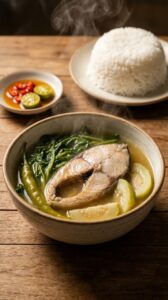
Notes
🌿 Health & Nutritional Benefits of Sinigang na Bangus sa Bayabas
This seafood variation provides a heart-healthy, lean, and nutrient-dense meal:- Omega-3 Fatty Acids (Bangus): Milkfish—particularly the rich belly fat—is packed with eicosapentaenoic acid (EPA) and docosahexaenoic acid (DHA), which support cardiovascular function, lower bad LDL cholesterol, and reduce systemic inflammation.
- Megadose of Natural Vitamin C: Fresh guavas supply potent soluble antioxidants that help neutralize cellular stress, boost the immune system, and promote healthy skin elasticity.
- Lean, Highly Digestible Protein: Fish proteins are easily broken down by the digestive tract, making this an ideal light supper that provides high satiety without heaviness.
- Digestive Soothing (Ginger & Pectin): The combination of fresh ginger and guava's natural soluble pectin calms the digestive tract and supports beneficial gut flora.
Key Ingredients & Cooking Tips
- Tender Fish Handling: Milkfish meat softens quickly once cooked. Avoid vigorous stirring after adding the fish steaks, as boiling bubbles and ladles can break the delicate flesh and belly apart.
- The Ginger Touch: Unlike pork sinigang, adding a sliced thumb of ginger to fish sinigang is essential—it balances the natural oiliness of the milkfish belly and ensures a clean, fresh aroma.
- Selecting Milkfish: Look for fresh milkfish with clear, non-cloudy eyes, bright red gills, and firm flesh that bounces back when pressed. Boneless milkfish belly slabs (tiyan ng bangus) can also be used for convenience.
- Alternative Fish Options: If fresh milkfish is unavailable, fresh red tilapia, sea bass (apahap), or salmon head and collar work wonderfully with this sweet-sour guava base.
📊 Complete Nutritional Profile
Here is the estimated breakdown per individual serving (makes 4 servings total):- Calories: 245 kcal
- Total Fat: 9 g
- Saturated Fat: 2.5 g
- Sodium: 580 mg
- Total Carbohydrates: 12 g
- Dietary Fiber: 4 g
- Sugars: 4.5 g
- Protein: 28 g
- Potassium: 610 mg
- Omega-3 Fatty Acids: 1.2 g
- Vitamin C: 135 mg (150% DV)