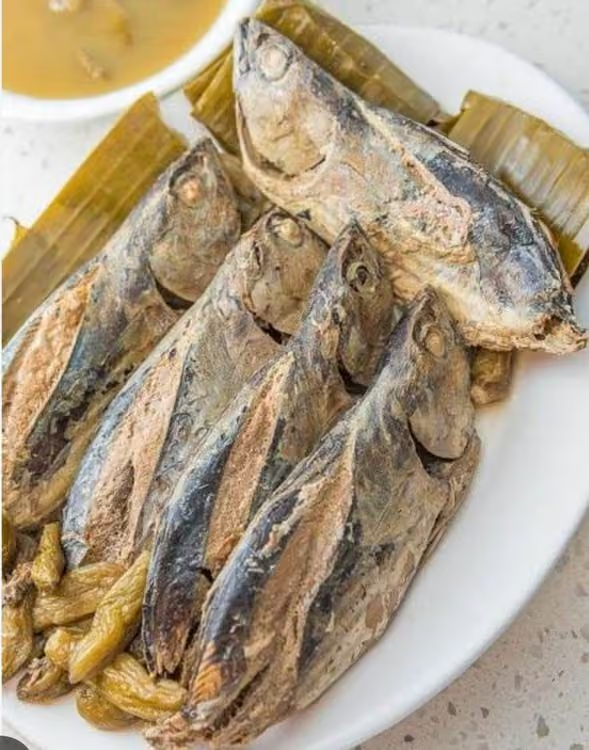
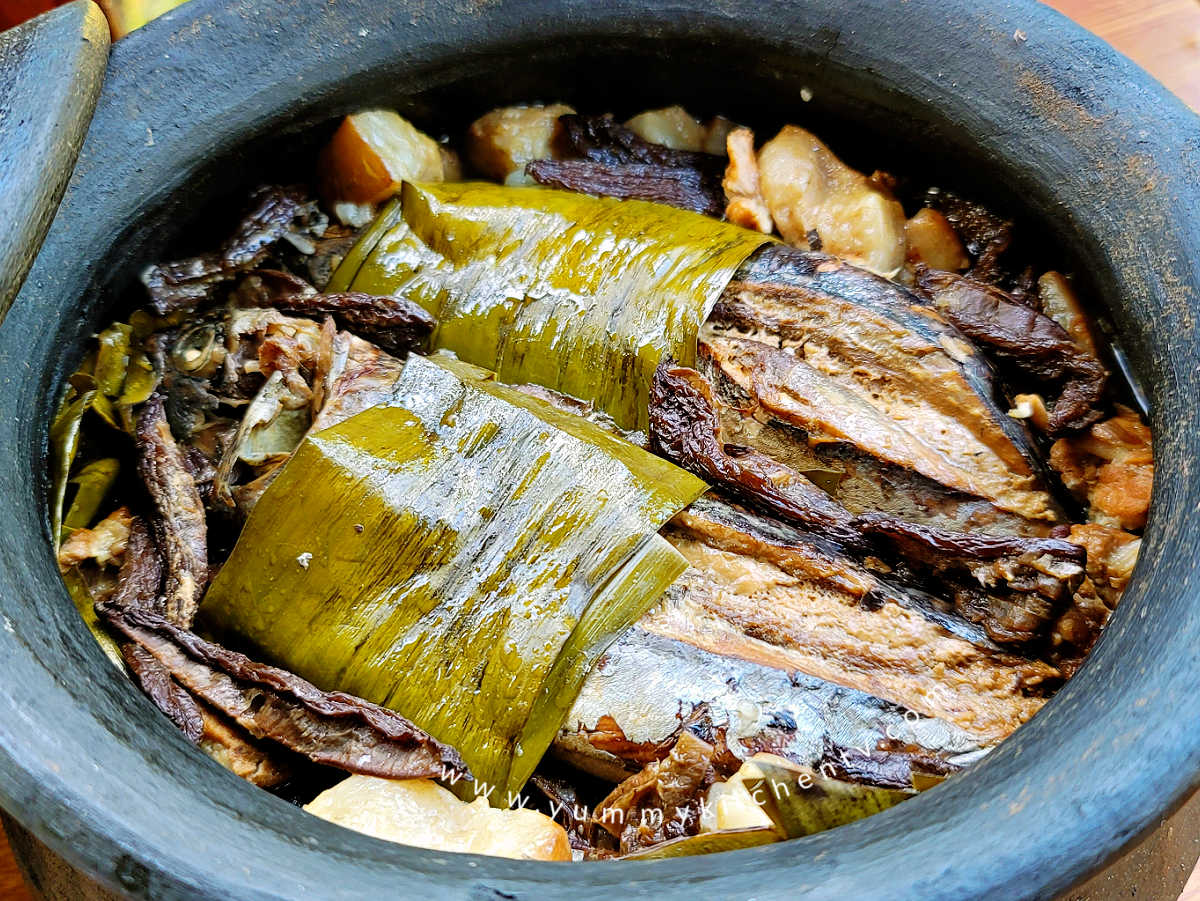
Sinaing na Tulingan Recipe (Slow-Cooked Bullet Tuna)
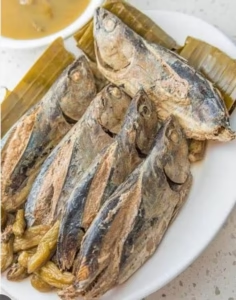
Sinaing na Tulingan is a prized traditional Batangas dish featuring bullet tuna (tulingan) slow-cooked in a clay pot (palayok) over dried tamarind (kamiás or sampalók), pork fat, and salt. Cooked on low heat for several hours until the fish absorbs the tangy, savory broth and the bones become remarkably soft, this comforting heirloom dish offers an authentic taste of coastal Filipino home cooking.
What is Sinaing na Tulingan?
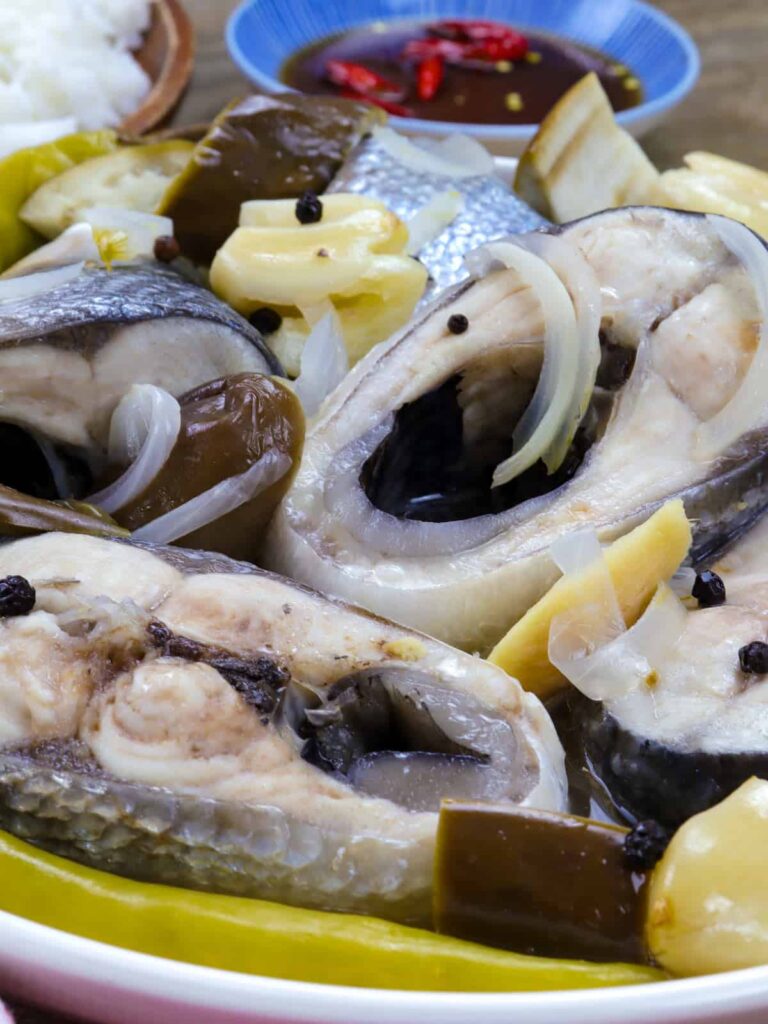
Sinaing translates to "steamed" or "slow-cooked" in Tagalog, a technique historically used to preserve fresh catch before refrigeration was common. In Sinaing na Tulingan, whole or chunked bullet tuna is layered with dried bilimbi fruits (kamiás) or sour tamarind, salt, garlic, and strips of pork fat at the bottom of a pot. As it simmers gently over hours, the acidity of the fruit tenderizes the firm tuna flesh while the rendered pork fat balances the sharp sourness with rich, savory depth.🌿 Health & Nutritional Benefits of Sinaing na Tulingan
Incorporating Sinaing na Tulingan into your family meals delivers a high-protein, nutrient-rich seafood dining experience:Abundant Omega-3 Fatty Acids: Bullet tuna is rich in heart-healthy EPA and DHA omega-3s, which support brain function, help lower triglyceride levels, and reduce arterial inflammation.Lean Protein for Muscle Repair: Provides a dense source of complete protein to aid tissue recovery, immune support, and sustained satiety without unnecessary processed carbs.Packed with Selenium & Vitamin B12: High levels of selenium act as a potent cellular antioxidant, while Vitamin B12 and iron support healthy red blood cell production and nerve health.Natural Digestive & Antioxidant Boost (Kamiás & Garlic): The dried kamiás (or tamarind) base delivers natural fruit acids and Vitamin C, while crushed garlic provides allicin for immune defense and anti-inflammatory benefits.Key Ingredients & Cooking Tips
Bullet Tuna (Tulingan): Fresh small-to-medium bullet tuna or frigate tuna works best. Be sure to perform the traditional step: flatten the fish slightly with the palm of your hand, twist off the tail fin, and remove the gills and entrails cleanly.Souring Base (Dried Kamiás or Sampalók): Dried bilimbi (kamiás) gives the dish its signature deep, earthy sourness. If dried kamiás is unavailable, fresh kamiás or dried sour tamarind pods can be used.Pork Fat Strips (Liempo or Pork Skin): Layering strips of pork belly fat or pork skin at the bottom of the pot prevents the fish from sticking or scorching during the long simmer while adding crucial richness to the broth.Clay Pot (Palayok) Tradition: Slow-cooking in a traditional clay pot over low heat retains moisture evenly and imparts a subtle earthy flavor that modern metal pots cannot replicate.Ingredients
Method
Step-by-Step Instructions:
- Clean each bullet tuna by pressing down gently on the body, twisting off the tail fin in one smooth motion, and removing the entrails. Wash thoroughly under cold water and pat dry.
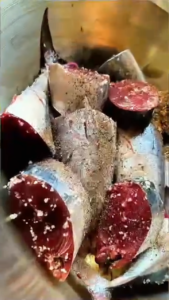
- Make 2 to 3 shallow diagonal slits on both sides of each fish. Rub rock salt evenly into the slits and over the skin of the tuna.
- Line the bottom of a heavy clay pot (palayok) or Dutch oven with the strips of pork belly fat to create a protective layer.
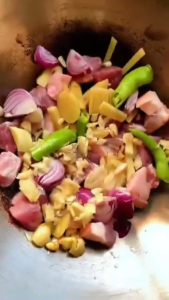
- Spread half of the dried kamiás, crushed garlic, and sliced onions evenly over the pork fat layer.
- Arrange the salted bullet tuna side-by-side on top of the aromatic bed. If creating a second layer, place a few extra kamiás between the fish layers so they do not stick together.
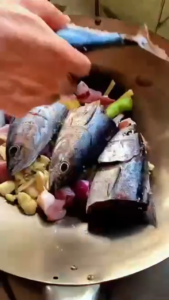
- Top with the remaining dried kamiás, whole black peppercorns, and long green chilies.
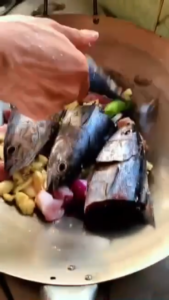
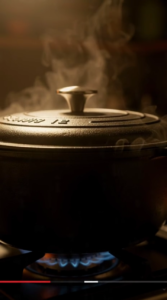
- Cover the pot and bring to a boil over medium heat. Once boiling, reduce the heat to the lowest setting, cover tightly, and simmer gently for 2 to 3 hours until the liquid reduces into a concentrated, rich sour broth and the fish is deeply tender.
- Serve warm with plenty of hot steamed rice and a side of patis (fish sauce) with crushed siling labuyo!
Notes
📊 Complete Nutritional Profile
Here is the breakdown per serving of Sinaing na Tulingan:- Calories: 260 kcal
- Total Fat: 11 g
- Saturated Fat: 3.8 g
- Sodium: 740 mg
- Total Carbohydrates: 5 g
- Dietary Fiber: 1.5 g
- Sugars: 2 g
- Protein: 35 g
- Potassium: 560 mg
- Vitamin C: 12 mg
- Iron: 2.1 mg
🛠️ Key Kitchen Equipment List
- Traditional Clay Pot (Palayok) or Heavy Dutch Oven: Distributes low, even heat over extended periods without drying out or scorching the bottom of the dish.
- Chef’s Knife & Cutting Board: For cleaning the fish, slicing aromatics, and cutting strips of pork belly fat.
- Measuring Cups & Spoons: For accurate measurements of salt, dried souring agents, and liquids.
- Slotted Fish Spatula: For gently lifting the delicate, slow-cooked tuna out of the pot without breaking the fish intact.