3 large Asian eggplants (talong), cut into 3-inch pieces and halved lengthwise
5 cloves garlic, crushed and minced
4 tbsp cooking oil
4 tbsp soy sauce
3 tbsp cane vinegar
1/2 cup water
1 tsp whole black peppercorns
2 pieces dried bay leaves
1 tsp brown sugar
Method
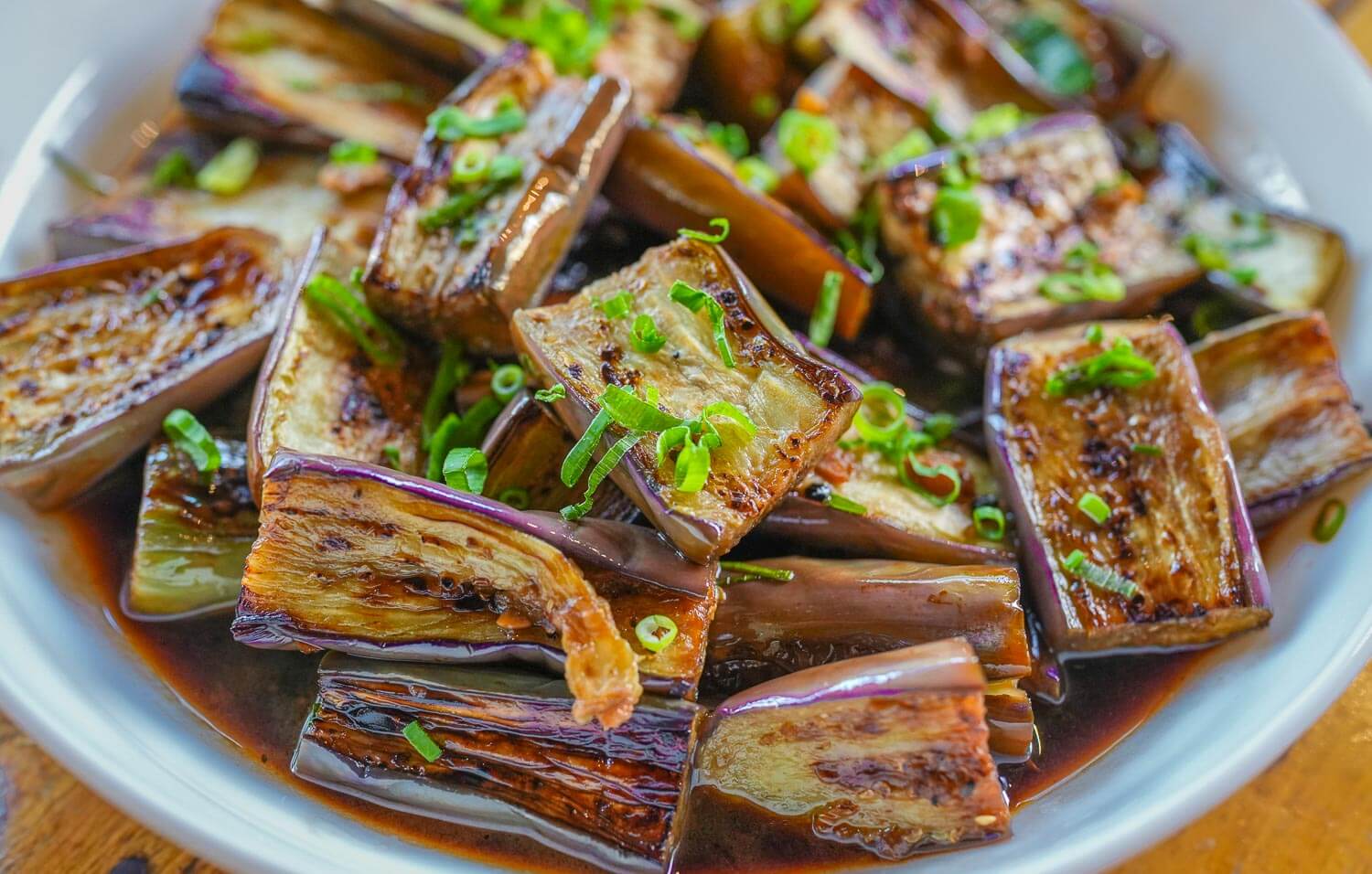
Heat 3 tablespoons of cooking oil in a pan over medium heat. Shallow fry the cut eggplant pieces in batches for 2 to 3 minutes per side until lightly browned. Remove and set aside on a plate.
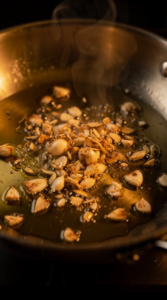
In the same pan, add the remaining 1 tablespoon of oil. Sauté the crushed garlic until golden brown and fragrant.
Pour in the soy sauce, water, black peppercorns, and dried bay leaves. Bring to a light boil.
Pour in the cane vinegar and allow it to come back to a simmer. Do not stir for 2 minutes to let the raw vinegar taste cook off.
Stir in the brown sugar to balance the flavors. Add the pan-fried eggplant pieces back into the pan.
Gently toss the eggplant to coat with sauce. Simmer for 2 to 3 minutes until tender and sauce reduces slightly. Serve hot with warm rice.
Notes
🌿 Health Benefits of Adobong Talong (Eggplant Adobo)
While classic meat adobos are known for their rich, savory indulgence, Adobong Talong offers a nutrient-dense, low-calorie alternative packed with dietary fiber, vital minerals, and powerful antioxidants.
1. Rich in Brain-Boosting & Heart-Healthy Antioxidants
The vibrant purple skin of Asian eggplant is loaded with nasunin, a potent anthocyanin antioxidant. Nasunin helps protect brain cell membranes from free radical damage, supports healthy blood flow to the brain, and aids in keeping arterial walls flexible to maintain healthy cholesterol levels.
2. Promotes Smooth Digestion & Gut Health
With 5 grams of dietary fiber per serving (providing nearly 20% of your daily recommended intake), eggplant acts as a natural prebiotic. It encourages regular bowel movements, prevents constipation, and feeds beneficial gut microbiota essential for immune function.
3. Supports Blood Sugar Management
Eggplant is low in glycemic index and high in soluble fiber and natural polyphenols. These compounds slow down the rate of carbohydrate digestion and glucose absorption in the gut, helping prevent post-meal blood sugar spikes—making it an excellent dish for diabetic-friendly or low-GI diets.
4. Natural Antimicrobial & Digestive Boost from Garlic
The generous amount of crushed garlic used in traditional adobo sauce releases allicin, an active compound known for its anti-inflammatory, antibacterial, and immune-boosting properties. Garlic also stimulates digestive enzymes, making meals easier to metabolize.
5. Helps with Natural Weight Management
At only 160 calories per serving, Adobong Talong allows you to enjoy the deep, satisfying flavors of classic Filipino adobo without high calorie density. Its combination of water volume, dietary fiber, and rich flavor helps keep you full and satisfied longer.
📊 Complete Nutritional Profile
Here is the nutritional breakdown per serving of Adobong Talong:
Nutrient
Amount Per Serving
Daily Value (% DV)*
Nutritional Role
Calories
160 kcal
—
Light, energy-balanced main or side dish
Total Fat
10 g
13%
Primarily healthy plant oils used for shallow frying
└ Saturated Fat
1.5 g
8%
Very low saturated fat content
Sodium
680 mg
30%
Derived from soy sauce (use low-sodium soy sauce to reduce)
Total Carbohydrates
15 g
5%
Complex carbohydrates from vegetable sources
└ Dietary Fiber
5 g
18%
High fiber content supporting gut and heart health
└ Sugars
7 g
—
Natural vegetable sugars with a touch of balancing sugar
Protein
3 g
6%
Plant-based protein base
Potassium
420 mg
9%
Helps balance fluid levels and regulate blood pressure
Vitamin C
5 mg
6%
Antioxidant support for collagen and immunity
Iron
0.8 mg
4%
Supports healthy red blood cell production
*Percent Daily Values (%DV) are based on a 2,000-calorie diet.
💡 Healthy Cooking Tips for Your Readers:
Reduce Sodium: Swap traditional soy sauce for low-sodium soy sauce or coconut aminos to lower total sodium content while maintaining great flavor.
Air-Fry or Bake the Eggplant: To lower total calories and fat even further, air-fry the eggplant slices at 190°C (375°F) for 8–10 minutes with just a light spray of cooking oil before tossing them into the simmered adobo sauce!
❓ Frequently Asked Questions (FAQs)
📁 Storage & Shelf Life
How long does Adobong Talong last in the fridge?Stored in an airtight container, Adobong Talong will keep fresh in the refrigerator for 3 to 5 days. The vinegar and soy sauce act as natural preservatives, and many home cooks find that the flavors taste even better the next day after the eggplant has absorbed the sauce!Can you freeze Adobong Talong?While you can freeze cooked eggplant adobo for up to 1 month, it is not generally recommended. Eggplant has high water content, so freezing and thawing will soften its cellular structure, making the texture mushy upon reheating. For best results, enjoy it fresh or within a few days from the fridge.
🔥 Reheating Instructions
What is the best way to reheat Adobong Talong?
Stovetop (Recommended): Transfer the leftover eggplant adobo to a small skillet over low-medium heat. Add 1 to 2 tablespoons of water or broth to loosen the sauce and warm for 3 to 4 minutes until heated through.
Microwave: Place a serving in a microwave-safe dish, cover lightly with a paper towel to prevent splatters, and heat on HIGH for 45 to 60 seconds.
💡 Variations & Substitutions
How do I prevent the eggplant from turning mushy?Pan-frying or shallow-frying the cut eggplant pieces in hot oil for 2 to 3 minutes per side before adding them to the liquid sauce creates a light outer crust. This seals the eggplant and prevents it from breaking down too quickly during simmering. Alternatively, you can air-fry or roast the eggplant slices before tossing them into the cooked adobo sauce.Can I make Adobong Talong with meat or tofu?Yes! Adobong Talong pairs wonderfully with other proteins:
Adobong Talong with Pork Belly (Liempo): Sear diced pork belly first until golden brown and rendered, then cook the eggplant in the rendered fat and adobo sauce.
Crispy Tofu & Eggplant Adobo: Pan-fry cubed firm tofu alongside the eggplant for a protein-packed, 100% vegetarian meal.
Adobong Talong with Ground Pork (Giniling): Sauté ground pork with garlic before adding the liquids and eggplant for a quick, hearty stew.
What is the best substitute for Asian eggplant?If Asian long eggplants (talong) are unavailable in your local market, you can substitute Italian eggplants or Globe eggplants. Simply slice them into 1-inch thick bite-sized cubes. Note that Globe eggplants have thicker skin and higher moisture, so pan-fry them slightly longer to remove excess water.