Pork Sinigang Recipe (Sinigang na Baboy)
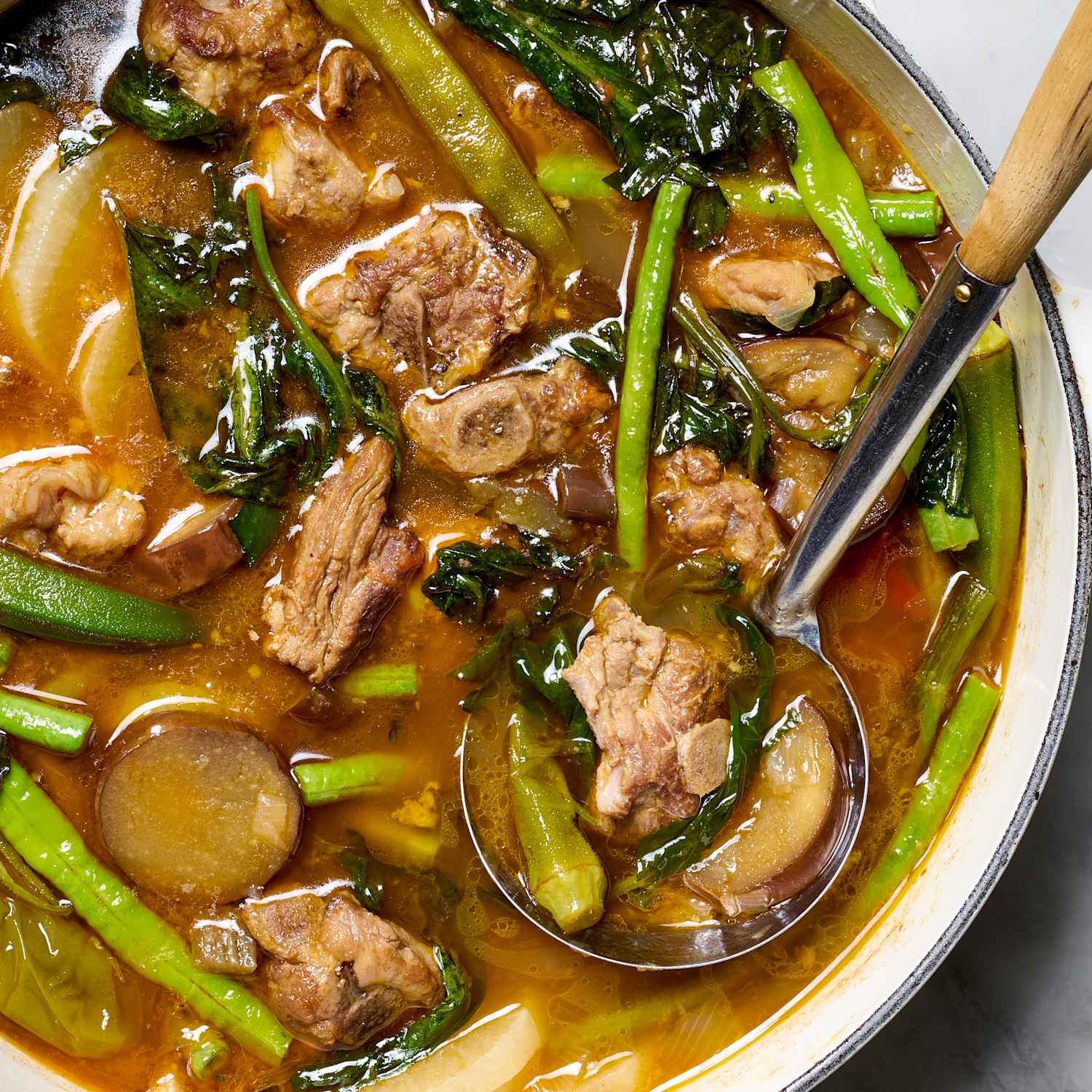
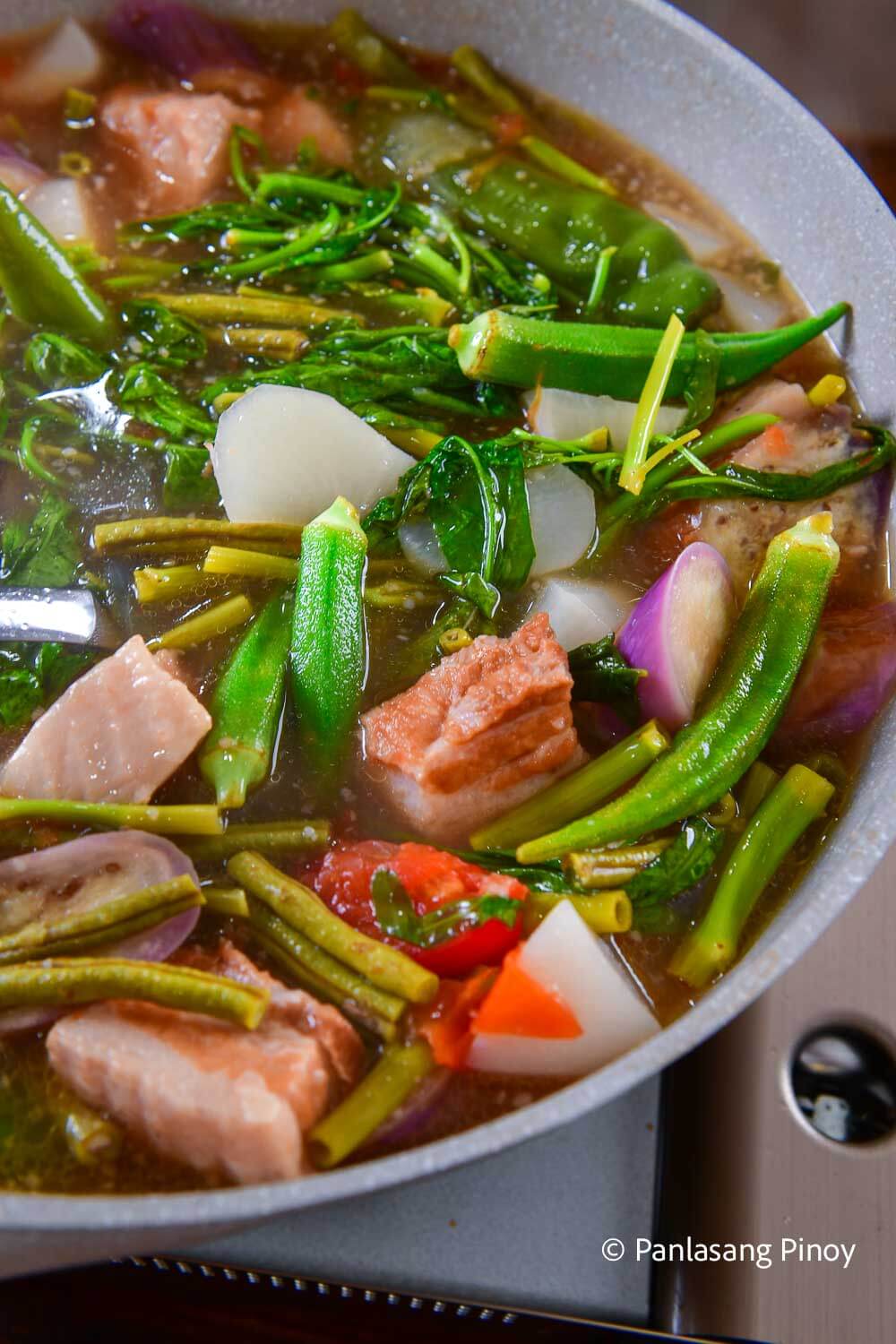
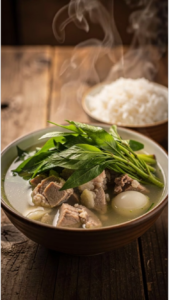
Pork Sinigang (Sinigang na Baboy) is arguably the ultimate Filipino comfort food. Known for its savory, tangy broth loaded with tender pork belly, radish, eggplant, long green chilies, and leafy green vegetables, this sour tamarind soup is a staple on everyday Pinoy family dining tables.
What is Pork Sinigang?
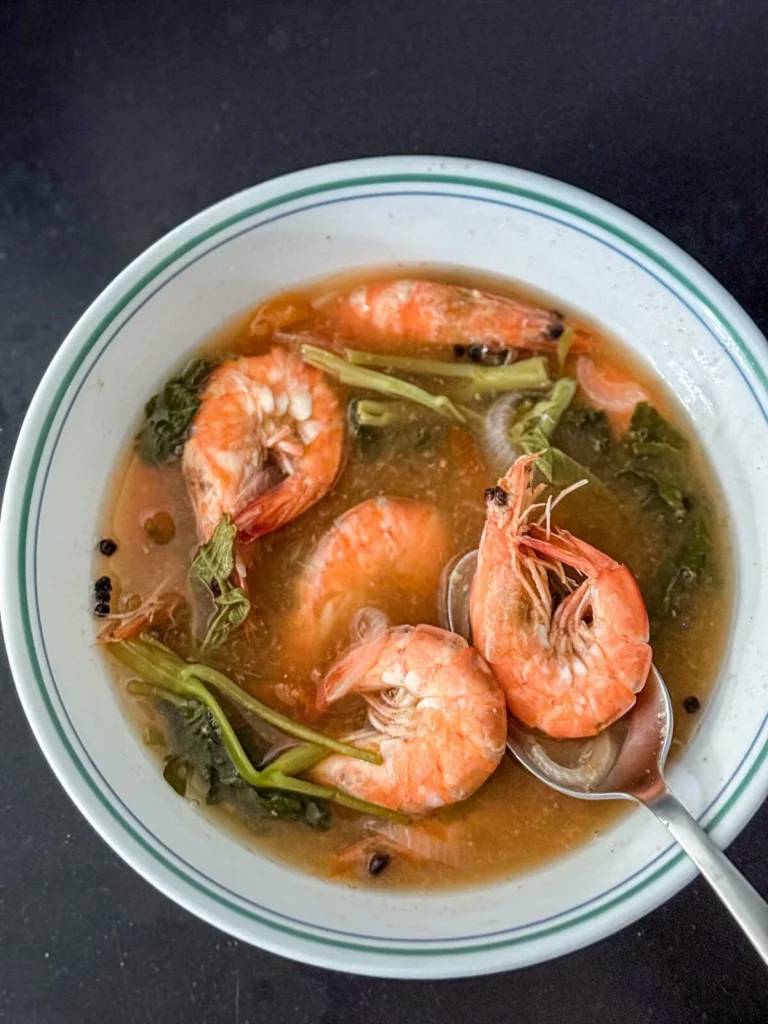
Sinigang is a traditional Filipino soup or stew characterized by its sour and savory profile. While sinigang can be prepared with beef, fish, or shrimp, Pork Sinigang remains the most beloved version across the Philippines. The souring agent is traditionally fresh sour tamarind (sampalok), though tamarind soup base mixes, kamias, or green mangoes are also widely used for convenience without sacrificing that signature lip-smacking tang.Ingredients
Method
- Step-by-Step Instructions:
- In a large stockpot, combine the pork chunks, water, quartered onion, and quartered tomatoes. Bring to a boil over medium-high heat, skimming off any foam that rises to the top.
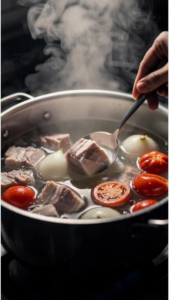
- Lower the heat to medium-low, cover, and simmer for 30 to 40 minutes until the pork becomes tender.

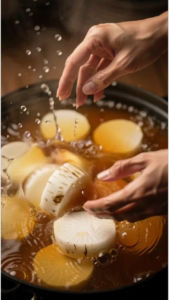
- Add the quartered taro roots (gabi) and sliced daikon radish (labanos). Simmer for 8 to 10 minutes until the taro softens and begins to naturally thicken the broth.
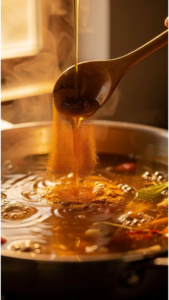
- Pour in the tamarind soup base mix and fish sauce (patis). Stir well to fully dissolve.
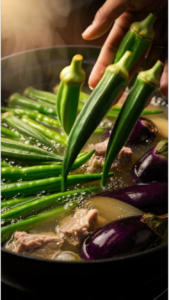
- Add the long green chilies, string beans, eggplant, and okra. Simmer for another 4 to 5 minutes until the vegetables are tender-crisp.
- Turn off the heat, add the kangkong leaves on top, and cover the pot for 2 minutes to let the residual heat wilt the greens. Serve piping hot with warm rice!
Notes
📊 Complete Nutritional Profile
Here is the breakdown per serving of Pork Sinigang:- Calories: 380 kcal
- Total Fat: 26 g
- Saturated Fat: 9 g
- Sodium: 780 mg
- Total Carbohydrates: 14 g
- Dietary Fiber: 5 g
- Sugars: 4 g
- Protein: 24 g
- Potassium: 520 mg
- Vitamin C: 22 mg
❓ Frequently Asked Questions (FAQs)
How long does Pork Sinigang last in the fridge?
Pork Sinigang will keep fresh in an airtight container in the refrigerator for 3 to 4 days. Reheat on the stovetop over medium heat until steaming hot.Can I freeze Pork Sinigang?
Yes! You can freeze the broth and pork for up to 1 month. However, leafy green vegetables like kangkong may soften when thawed and reheated, so adding fresh greens upon reheating yields the best texture.What can I use instead of tamarind mix?
You can use fresh sour tamarind pods (boiled and mashed for pulp), green mangoes, calamansi juice, or kamias (bilimbi) as authentic natural souring alternatives.Can I make Sinigang lighter or lower in fat?
Yes! You can substitute pork belly with leaner cuts like pork loin or tenderloin, or make Chicken Sinigang or Fish Sinigang (Sinigang na Isda) for a lower-calorie meal.Key Kitchen Equipment List for Pork Sinigang
- Large Heavy-Bottomed Stockpot or Dutch Oven (5–6 quart): Essential for holding the 8 cups of water, pork chunks, and generous assortment of vegetables while ensuring heat is distributed evenly during simmering.
- Fine-Mesh Skimmer or Slotted Spoon: Used to easily skim off foam and impurities that rise to the surface while boiling the pork, keeping your sour broth clear and clean.
- Chef’s Knife & Heavy Cutting Board: Crucial for slicing thick cuts of pork belly or ribs, as well as chopping dense vegetables like taro (gabi) and daikon radish (labanos).
- Vegetable Peeler: For quickly peeling the skin off the taro roots (gabi) and daikon radish.
- Ladle: Perfect for serving generous portions of tender pork, vegetables, and hot tangy broth over steamed rice.