
Pinakbet Recipe (Filipino Mixed Vegetable Stew)
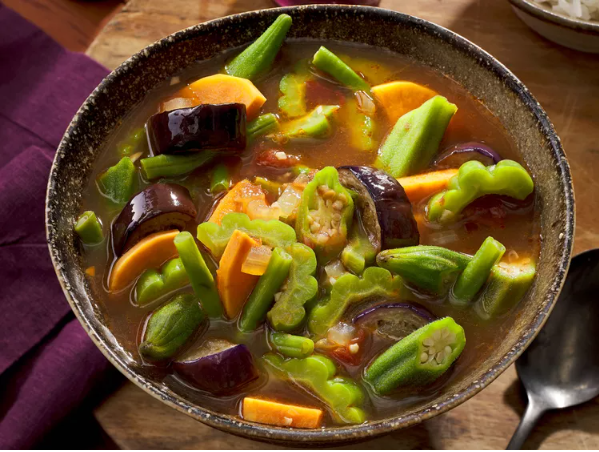
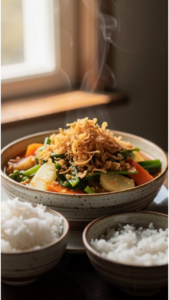
Pinakbet (or Pakbet) is a celebrated Northern Filipino vegetable dish made from a vibrant mix of indigenous vegetables like bitter melon, eggplant, okra, squash, and yardlong beans, simmered in a savory fermented shrimp paste (bagoong alamang). Hearty, colorful, and packed with bold Pinoy flavors, this classic stew is the ultimate way to enjoy fresh native vegetables.
What is Pinakbet?
Originating from the Ilocos region, the word pinakbet comes from the Ilocano term pinakebbet, which means "shriveled" or "shrunk," referring to how the vegetables cook down and absorb the savory seasonings in the pot. While the original Ilocano version uses fermented fish sauce (bagoong isda) and native mini vegetables cooked without stirring, the widely popular Tagalog-style Pinakbet adds sweet calabaza squash (kalabasa), pork belly, and savory fermented shrimp paste (bagoong alamang).Ingredients
Equipment
Method
Step-by-Step Instructions:
- Heat cooking oil in a large wok or deep pan over medium heat. Add the pork belly strips and sauté for 5 to 6 minutes until the fat renders and the pork turns golden brown and crisp.

- Add the minced garlic and diced onions to the pan with the pork fat. Sauté for 2 minutes until soft and fragrant.

- Add the chopped tomatoes and cook for another 3 minutes, mashing them gently with the back of your spoon until soft and juicy.
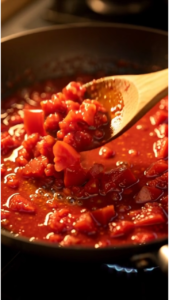
- Stir in the fermented shrimp paste (bagoong alamang) and ground black pepper. Sauté for 1 to 2 minutes to cook off the raw taste of the shrimp paste.
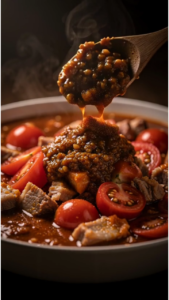
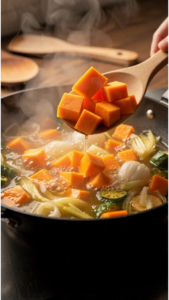
- Add the cubed squash (kalabasa) and pour in 1.5 cups of water. Cover the pot and simmer for 5 to 6 minutes until the squash starts to soften slightly.
- Layer the remaining vegetables in order of cooking time: add the yardlong beans (sitaw), okra, eggplant (talong), and bitter melon (ampalaya) on top.
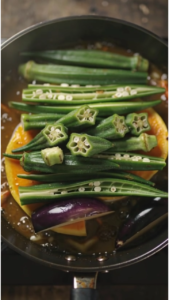
- Do not stir vigorously—simply push the vegetables gently into the simmering liquid, cover the pan, and cook on medium-low heat for 8 to 10 minutes until all vegetables are tender yet crisp (al dente).

- Adjust seasoning with a tiny touch of water or extra bagoong if needed. Transfer to a serving dish, top with crushed crispy chicharon if desired, and serve piping hot with warm white rice!
Notes
🌿 Health & Nutritional Benefits of Pinakbet
Enjoying a traditional bowl of Pinakbet provides an incredible variety of vitamins, minerals, and plant-based compounds from its mix of vegetables:- Blood Sugar Regulation (Bitter Melon/Ampalaya): Bitter melon contains active plant compounds like charantin and polypeptide-p, which act similarly to insulin to help regulate blood glucose levels.
- Eye & Skin Support (Calabaza Squash): Loaded with Beta-Carotene (Vitamin A) and Vitamin C, squash helps maintain optimal vision, supports cellular repair, and boosts overall immune defense.
- Digestive Health & Fiber Powerhouse: The combination of fiber-dense okra, yardlong beans, and eggplant promotes healthy bowel regularity, supports gut flora, and improves overall satiety.
- Rich in Antioxidants & Essential Minerals: Provides high levels of potassium, folate, iron, and polyphenols to support cardiovascular health and reduce systemic inflammation.
Key Ingredients & Cooking Tips
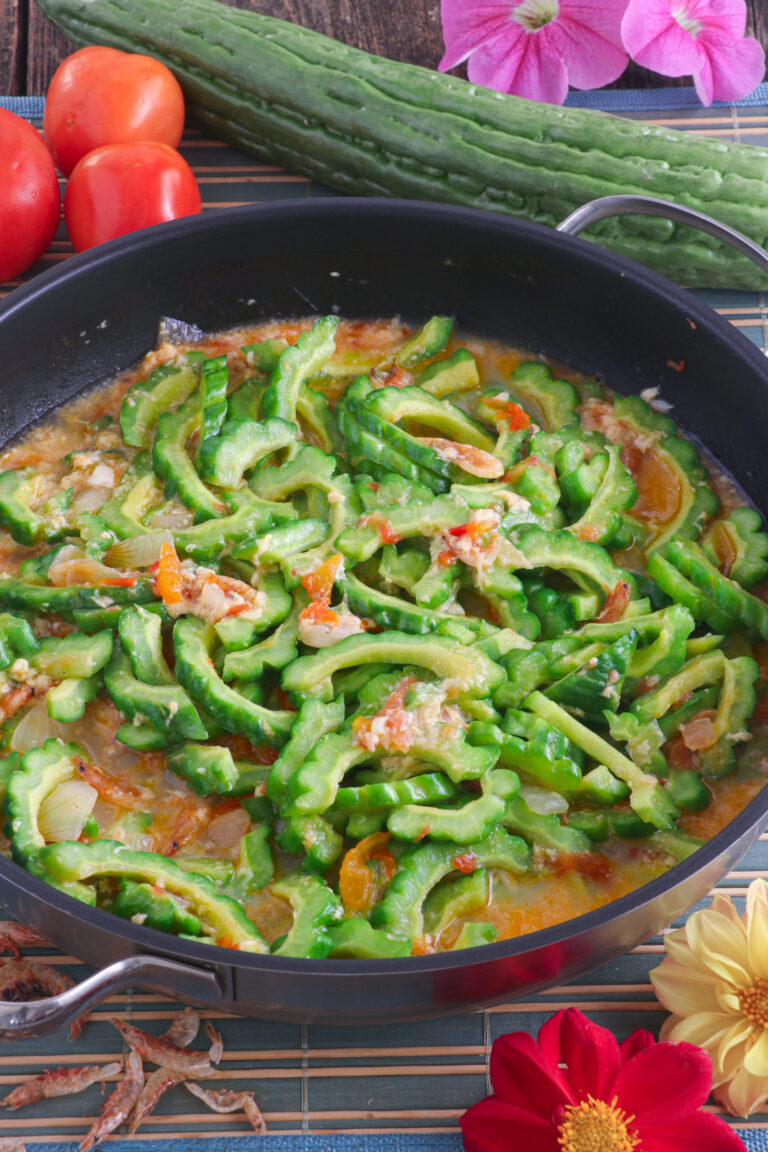
- Reducing Bitterness in Ampalaya: Slice the bitter melon and soak it in a bowl of cold water mixed with 1 tablespoon of salt for 10 minutes, then drain and rinse gently before cooking. Avoid over-stirring the dish once ampalaya is added.
- The Layering Technique: Harder root vegetables like squash take longer to cook and should go in first. Delicate greens like eggplant and bitter melon should sit on top so they steam gently without becoming mushy.
- Selecting Bagoong: Use good-quality sautéed shrimp paste (bagoong alamang). If your shrimp paste is naturally very salty, reduce the amount to 2 tablespoons and balance with a pinch of brown sugar if desired.
- Vegetable Texture: Authentic Pinakbet features vegetables that retain a light crunch and vibrant colors—be careful not to overcook or boil them into a puree.
📊 Complete Nutritional Profile
Here is the breakdown per serving of Pinakbet (Tagalog style with pork):- Calories: 210 kcal
- Total Fat: 11 g
- Saturated Fat: 3.5 g
- Sodium: 650 mg
- Total Carbohydrates: 18 g
- Dietary Fiber: 6 g
- Sugars: 6 g
- Protein: 11 g
- Potassium: 580 mg
- Vitamin A: 120% DV
- Vitamin C: 35% DV